

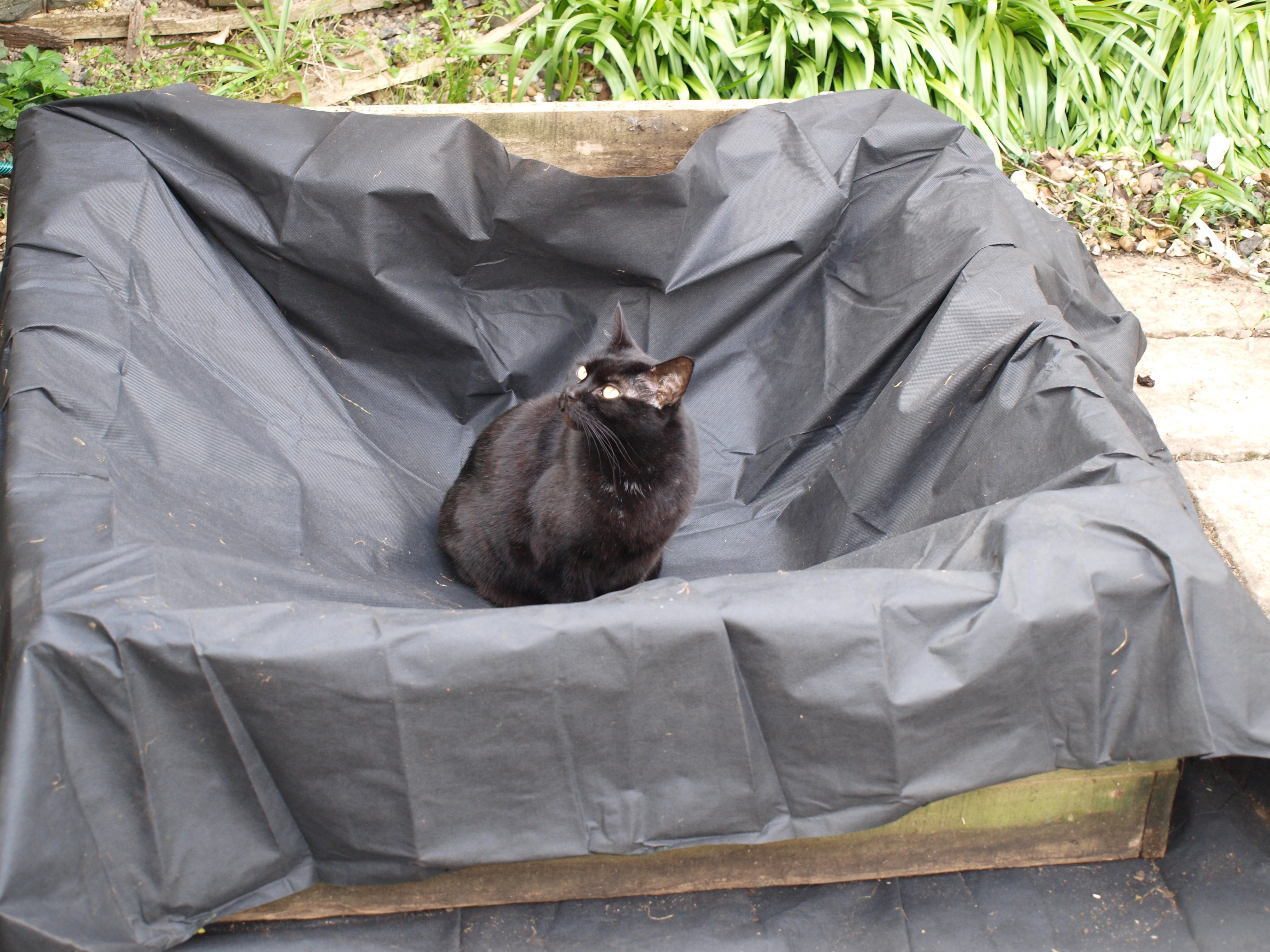
Square foot gardening is a concept that is increasingly becoming more relevant in our climate change and sustainabilty aware society. In essence it is about using approximately one metre square (3 foot by 3 foot) of growing space to grow enough food for a family of four. This may seem a tall order. However with careful planning and rotation of crops a succession of produce becomes possible as they become ready to harvest.
We have a Cambolc had a number of blogposts with our Google Blogger hat on. The following are examples:
https://cambolc.blogspot.com/2019/01/full-moon-eclipses-and-square-foot.html
https://cambolc.blogspot.com/2016/08/monday-muse-elearning-phase-of-square.html
https://cambolc.blogspot.com/2016/08/monday-muse-square-foot-gardening-and.html
https://cambolc.blogspot.com/2016/08/sunday-breakfast-square-foot-gardening.html
https://cambolc.blogspot.com/2016/08/monday-muse-square-foot-gardening.html
https://cambolc.blogspot.com/2013/05/the-urban-gardening-bit-pak-choi.html
Have included this one as traditional Ginger Beer and tenuous link to square foot gardening. https://cambolc.blogspot.com/2016/10/sunday-foodie-gingering-up-with.html
As I now have greater freedom to pursue the interesting topic of square foot gardening now is the time to plan for the following growing season. The box has now been moved (several years ago) to a different position to which it started.
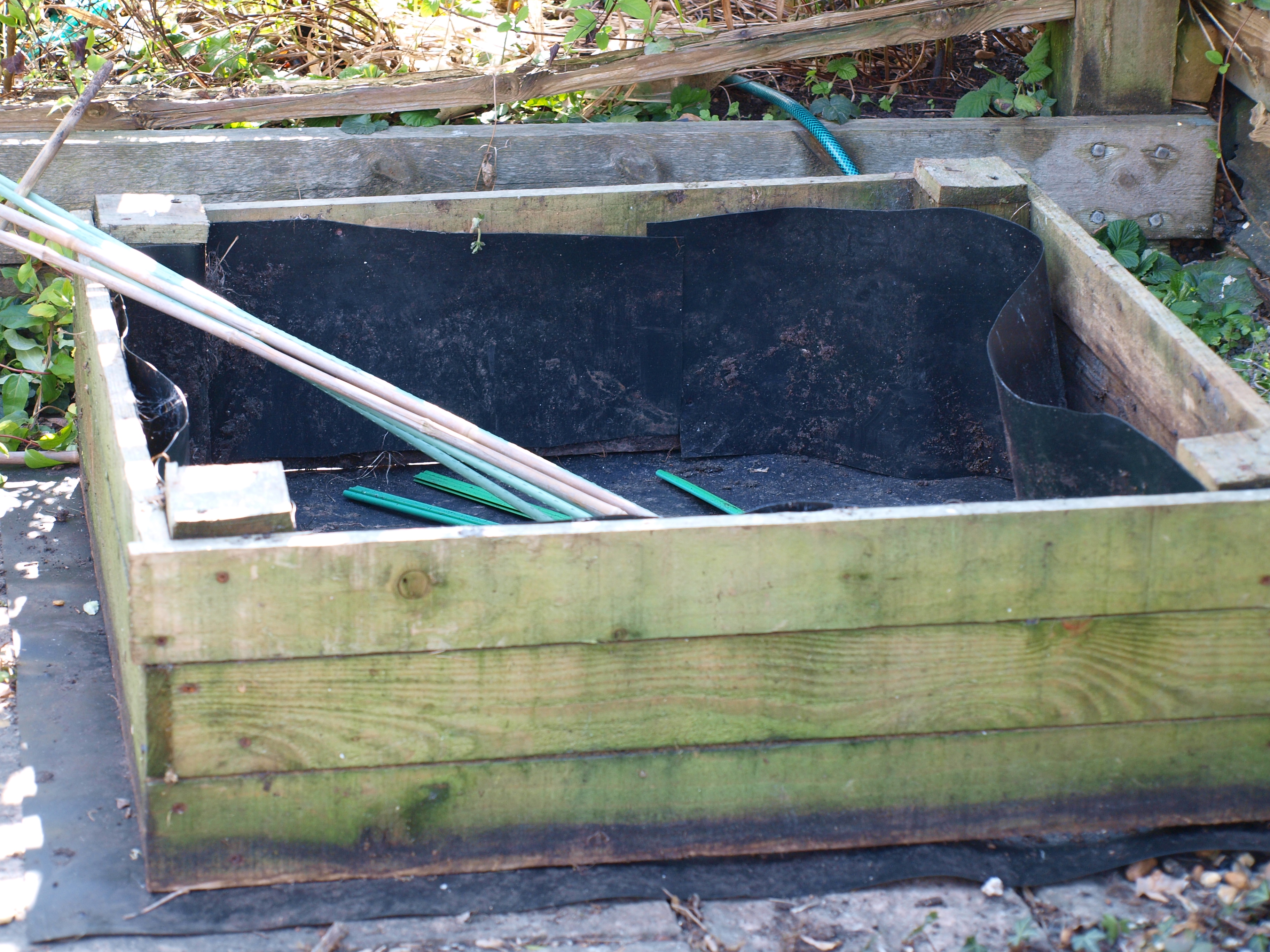
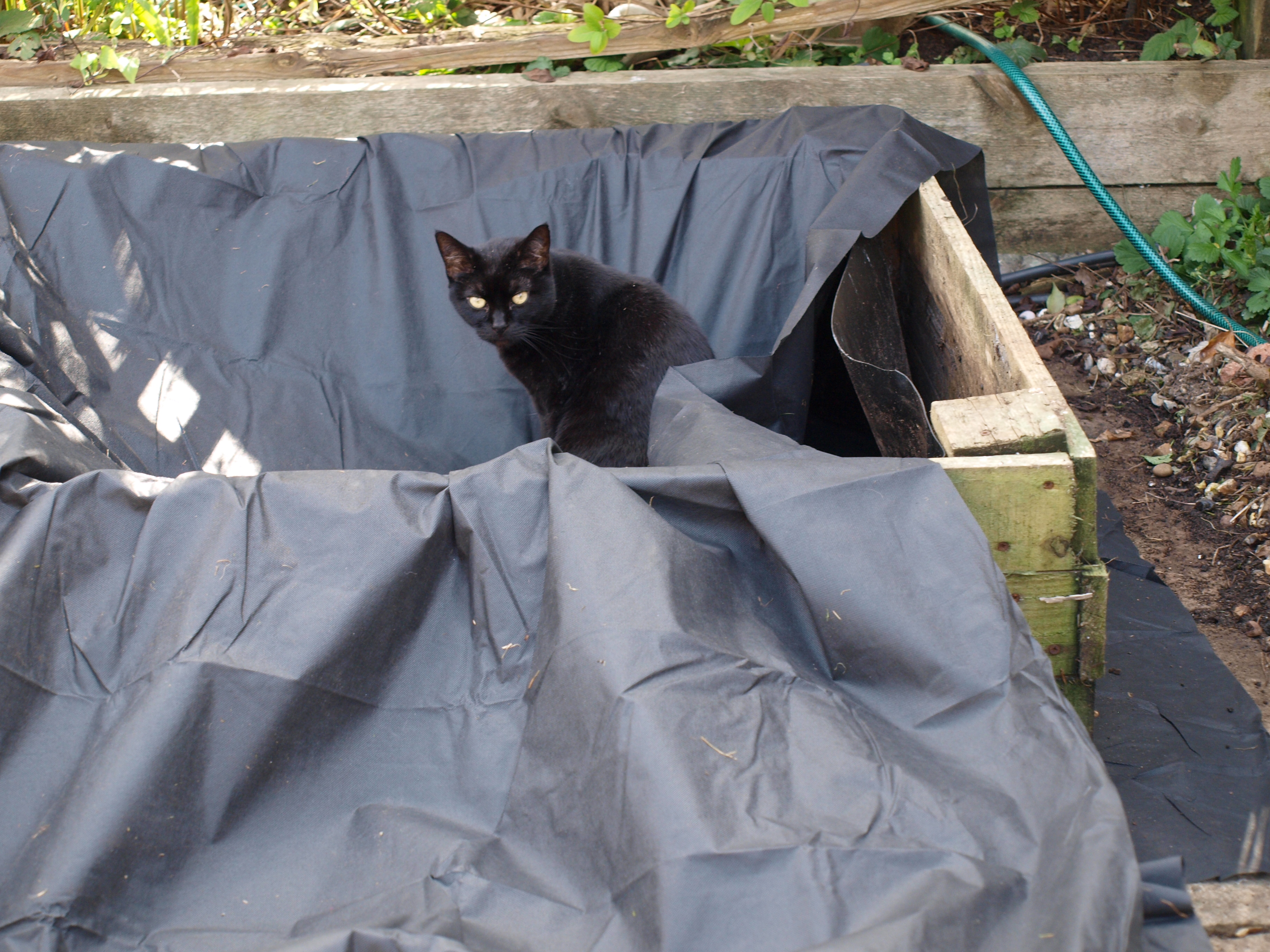
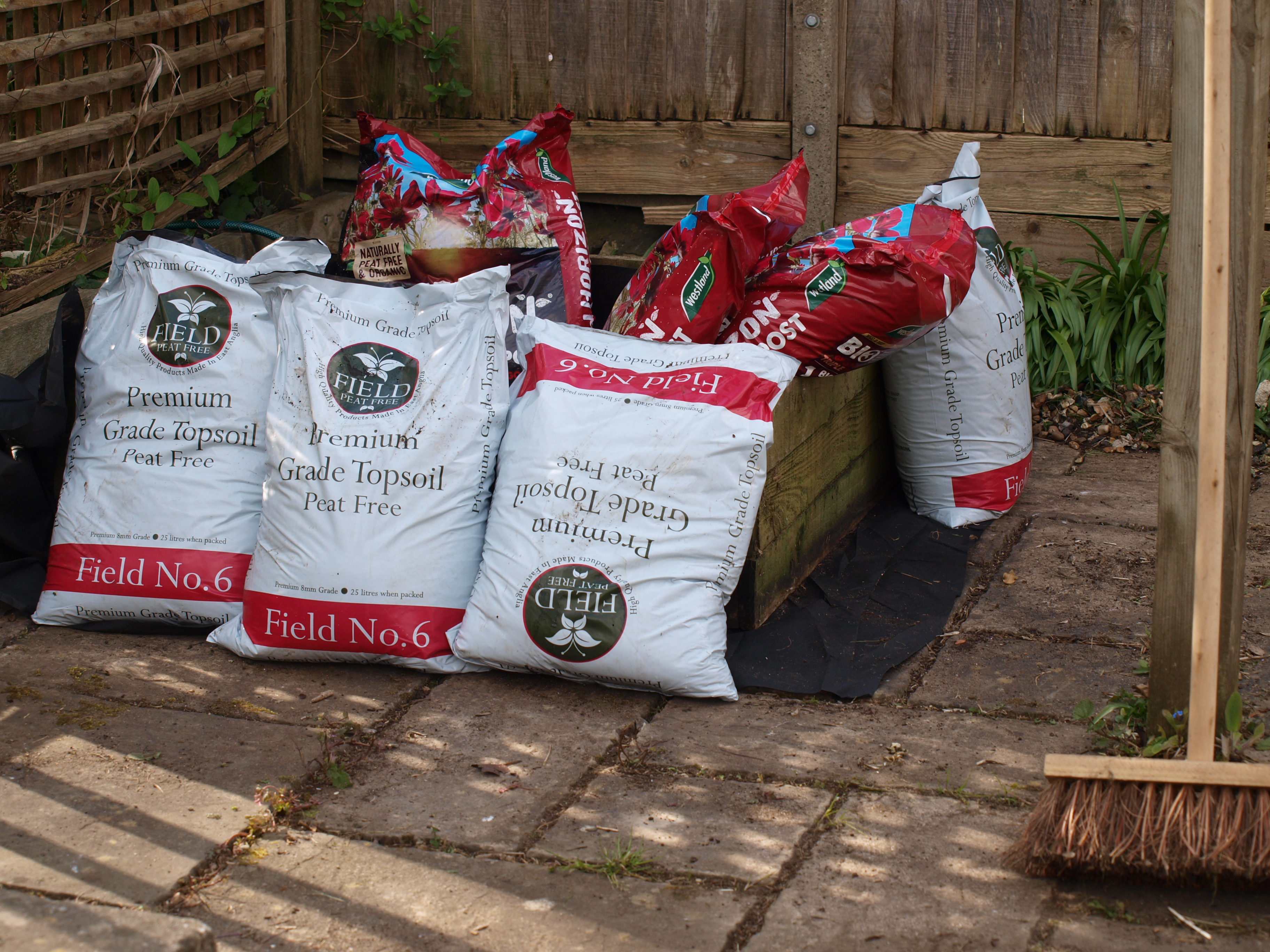
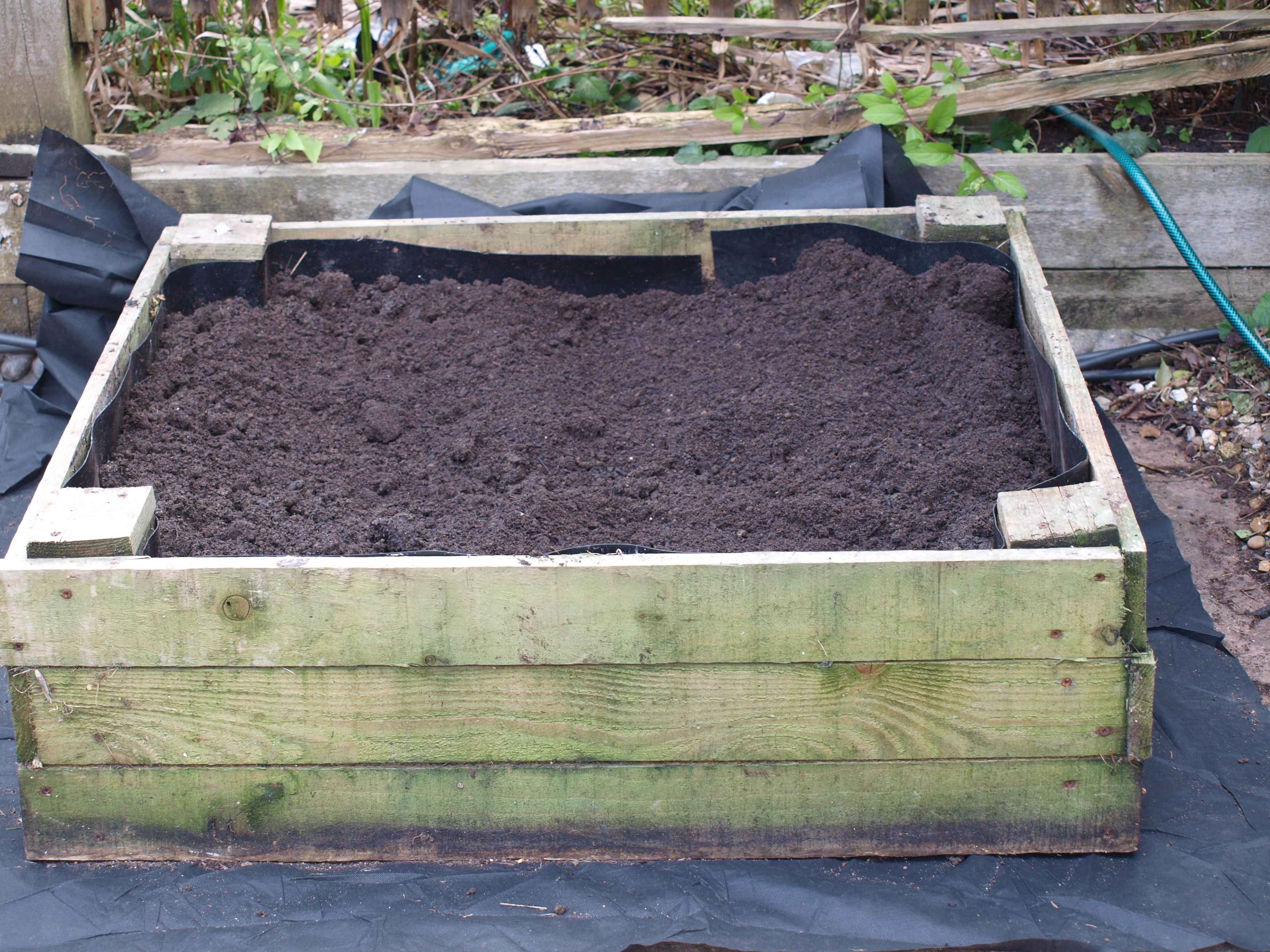
This time of year it is worth buying some of the magazines aimed at the kitchen gardener. Usually on the front of each is a collection of seeds specially selected by the editors. The value of the seeds exceeds the cost of the magazine by quite a few pounds. The advice contained inside the magazines often inspires people to take on new challenges in the garden. From an economic point of view growing rarer more exotic veg such as Pak Choi may save on air miles. Certainly growing lettuce may not be as cost efficient considering how cheaply supermarkets can supply them, although you have to read the label to find out the country of origin before making your decision owing to country of origin. A Kenyan lettuce may not be a good choice for a number of reasons. The obvious air miles but also the water being transported within the produce itself that would do better remaining in the African continent considering the paucity of water supplies.
Along with the other threads on computer science, sustainability and wellbeing, the square foot gardening mantra will be explored further. So here ends the first Tuesday blog in a while I hope it inspires some new year resolutions.
 Cambridge Online Learning Community