
Over the time of writing the blog for Cambridge Online Learning Community I have discussed the health benefits of the Mediterranean diet. The basis of the popularity of the Mediterranean diet has come from the Seven Countries Study begun in the 1950s. My first real encounter with the food of the Mediterranean was holidays on Rhodes and Crete. On one visit to Crete in about 2008 I bought a cookbook within which was a description of the Seven Countries Study and the Pyramid of Foodstuff for Consumption (not really sure of how we should describe this but click on first link above to see pyramid). This intrigued me to investigate further.
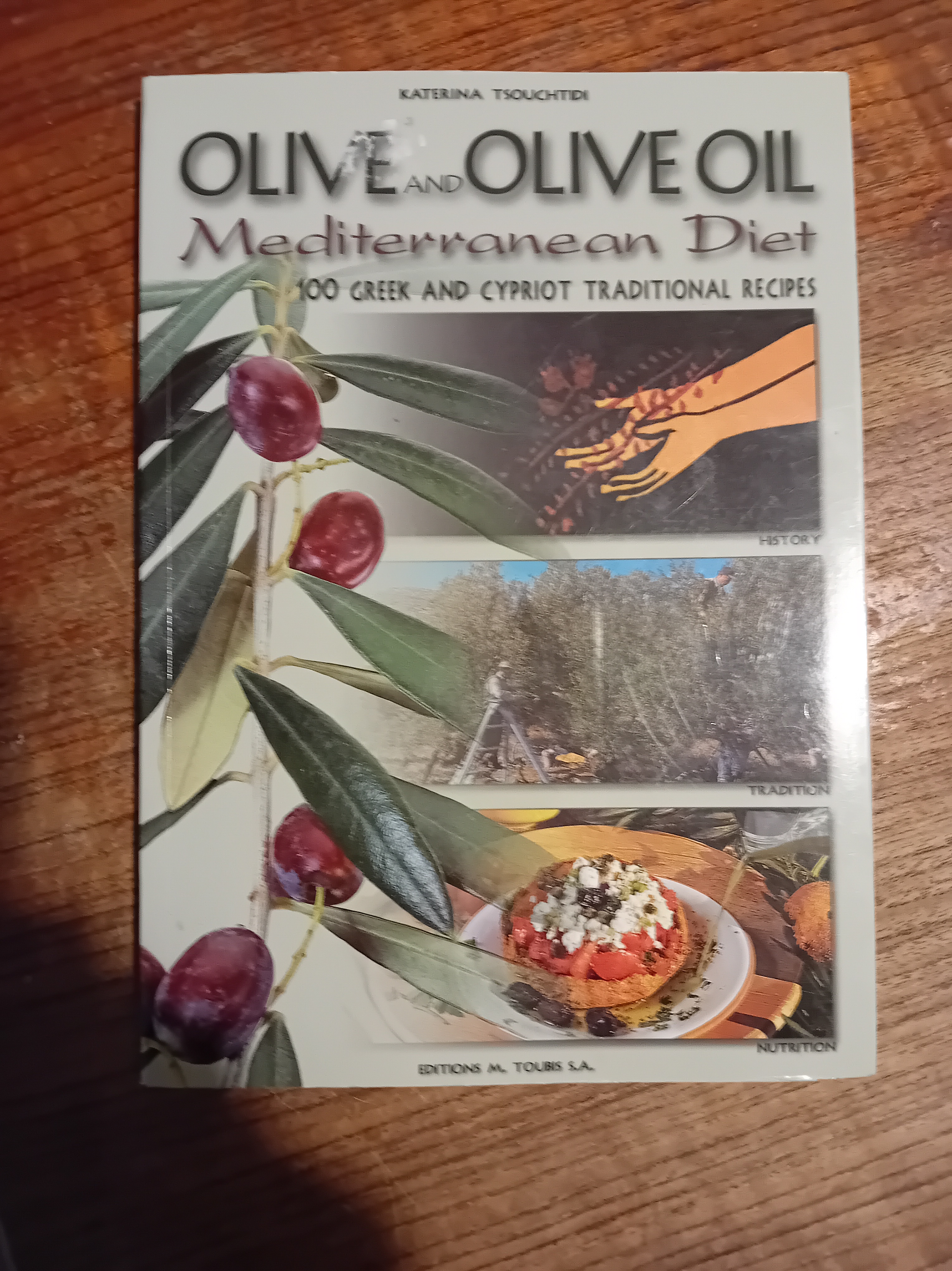
Having now been consuming a tot of Greek Extra Virgin Olive Oil on a daily basis each morning since 2016, intermittently previously, I consider this to be my attempt at mitigating the effects of the British diet I consume with my family. I do make my own bread with a breadmaker with ordinary olive oil replacing the Sunflower or Rapeseed oil in the standard recipe. My supermarket of choice where I buy my Olive Oil is Lidl, local to me and cheaper than at other supermarkets. They also do a Flavour of the Week featuring a country (this week France link will show current week). The Greek week often features normally hard to find products such as octopus in olive oil and ready made dolmades. The Blossom Honey from Crete adds a particularly authenticate splash to Natural Greek yogurt. Greek Feta is another product available from Lidl. Most supermarkets appear to only stock a Feta style cheese or the Turkish equivalent Halloumi (the trend for frying this cheese being the selling point).
So why the blog today? New Scientist has published an article that explains why the Mediterranean diet is so good for us. To read the underlying research click on the link in this twitter post. One of those I told myself moments?
Disclaimer do not work for Lidl just shop there as my local (literally 300 m walk away) store.
 Cambridge Online Learning Community
Pingback: Cambolc’s Wellbeing Journey: 500 Pennies of thought on Wellbeing: Newsletter #1 | Cambridge Online Learning Community·