

By Phil Spalding
cambolc.co.uk, LinkedIn, BlueSky, Facebook
Over the past month or so I have been watching the posts on AI that have been appearing on LinkedIn sites. A convenient graphic that shows the types of AI is one that has been featured from Denis Panjuta in a previous cambolc blog and other posts on social media. It is worth having a look at the categories that seem to be common to a lot of taxonomies. I use a biological term taxonomy as they appear on the surface to have the same purpose or form. However, as we know from biology looking the same and functioning the same may be an effect of convergent evolution and they are in no way related at all. As AI is in its’ infancy therefore we have to start thinking along the end user route and what is actually seen, the phenotype. To the non-biologist a phenotype is what you observe based on the interaction between the genotype (think of it as the AI’s code or algorithm ) and the environment (the task or hardware environment we are trying to solve). Two animals that on the face of it do the same job are the True mole and the Golden Mole, but not related within the six degrees of Kevin Bacon so to speak. Transfer them to each others habitat and they might not produce the same results. This can be one of the problems with a general one size fits all AI.
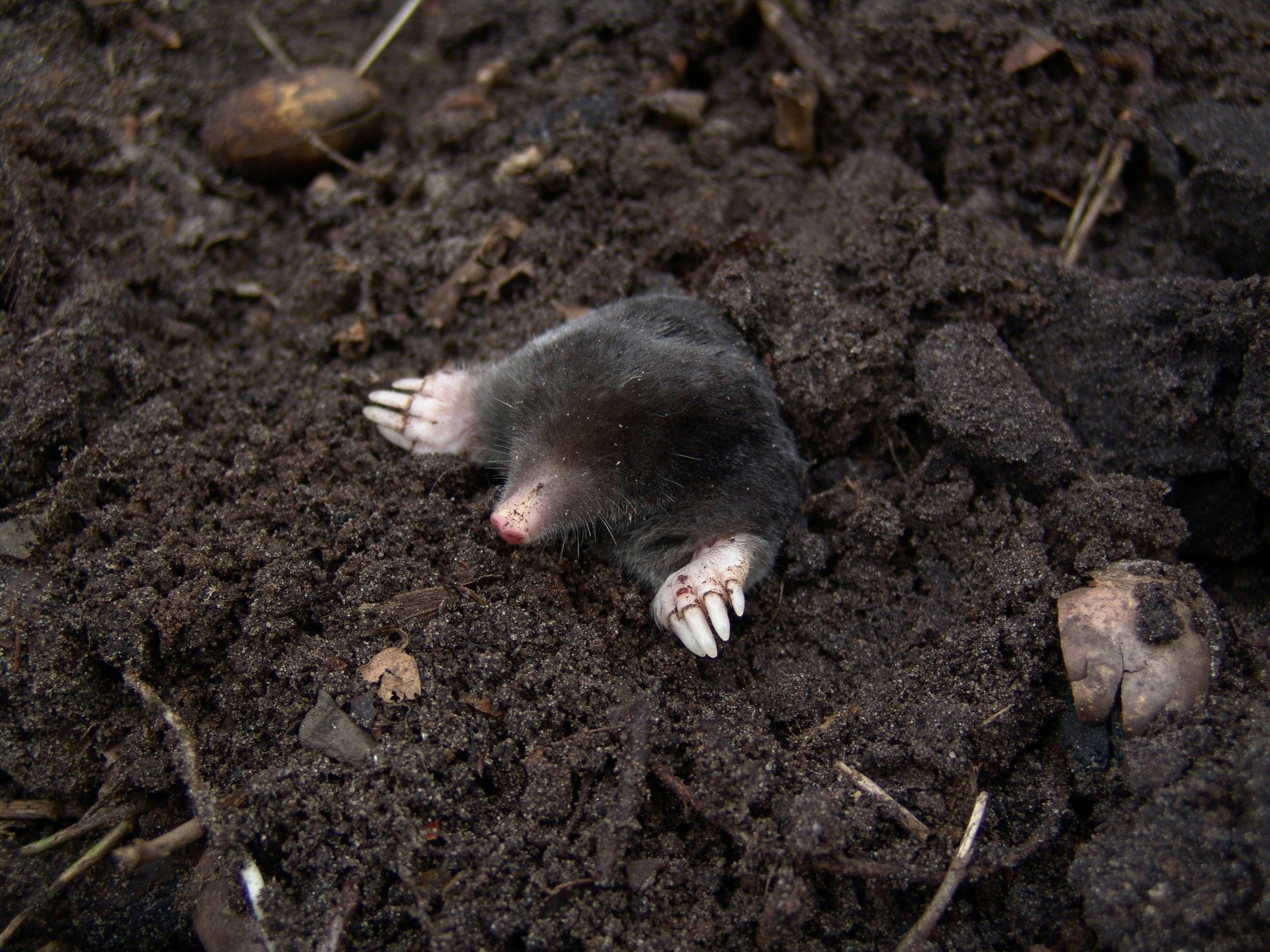
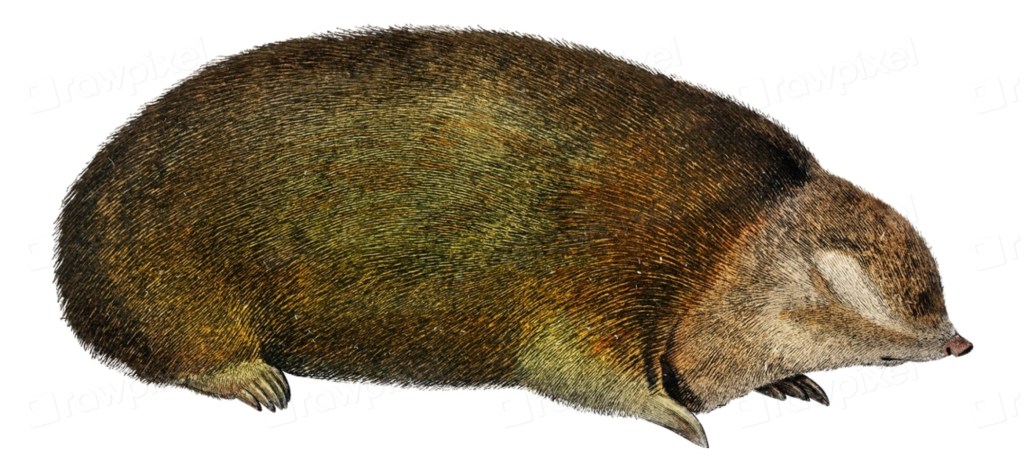
rawpixel.com/create/design/01JG46VT2WFTW30NKR5QSX5Y06
Top: True Mole bane of gardeners and golfers, Below: Golden Mole inhabitant of Namibian Beaches . The images are royalty and copyright free.
With the proviso that it may walk like a duck and quack like a duck but not necessarily be a duck, we will look at the main categories that seem to be being used by content creators to classify AI.
Productivity – this would appear to be one most companies are looking at present to improve the workflow of their employees or to in some cases take over roles previously handled by humans such as phone answering
Marketing – This type of AI activity can handle parts or in some cases the whole of your marketing strategy and may use some of the other categories of AI
Chatbot – We are all familiar with these on twitter but now we have a label to give them within the digiverse of AI, some can be for good, some can be fire and forget and could be a type of marketing, some can be interactive or Agentic (see previous blog for explanation of Agentic)
Writing – This is the most familiar type of AI encompassing Chat GTP (known as the plagiarists friend in university circles when attribution is not acknowledged) and more often now coding where programmers are becoming more focused on the outcome of the overall project than what is in the black boxes they are stringing together and debugging
Design – Allowing people to be creative without necessarily having the artistic skills themselves, “if it looks right, it will fly right” school of design, but hopefully a little more than just a wing a prayer
Video – Probably the most contentious of all the AI genres, from deepfake to actors making films and interviews after they have died. As with the development of the internet itself Video AI can be used for some very illegal purposes. We will leave it that.
Over the next few weeks I will be curating some lists of AI assets that go with the categories described above. This will not be exhaustive as we will follow a 500 Pennies (Words) of thought format.
If you would like to add to the list or have some insights please leave a comment.
 Cambridge Online Learning Community
Pingback: AI Types: Productivity 500 Pennies of Thought | Cambridge Online Learning Community·