
By Phil Spalding
cambolc.co.uk, LinkedIn, BlueSky, Facebook
One of the rare occasions of watching Saturday Morning TV prompted me to start thinking about how we communicate now with how we have communicated in the past. The Allan Titchmarsh’s Love your Weekend Show made the link between hidden messages represented in Art History by flowers. The guest called them the emojis of the ages.
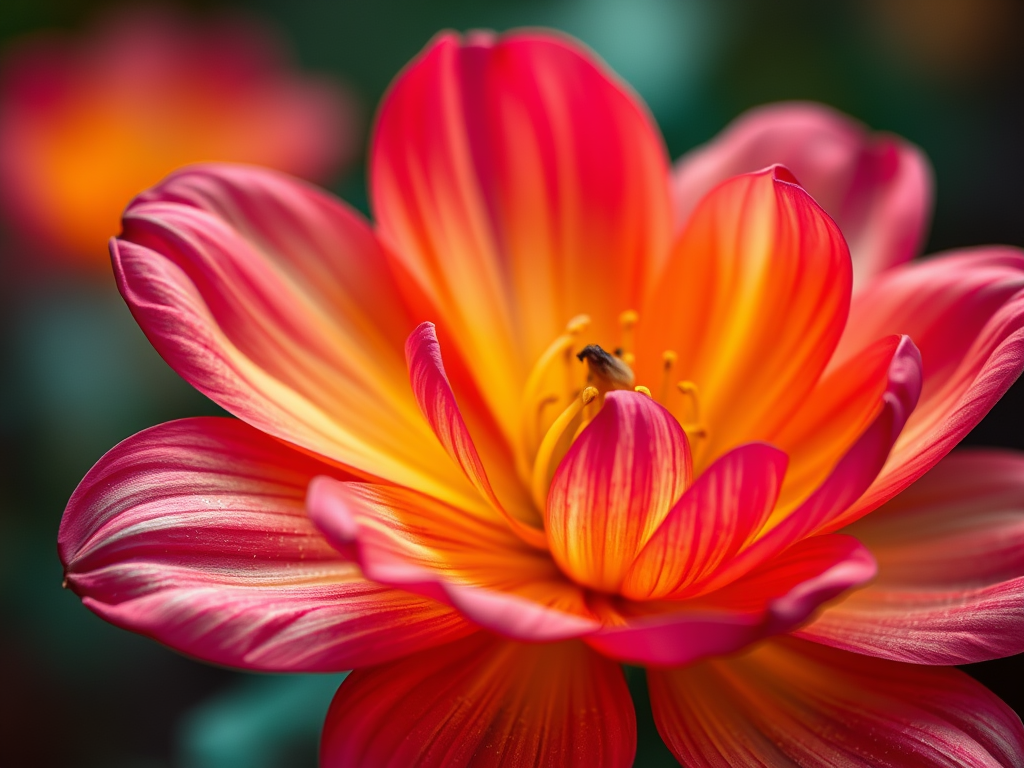
In Victorian times there was a popular way of secret communication called the language of the flowers. This was highly popular in British Society among women. It even had it’s own special title Floriography. In other words an emoji, which incidentally entered the digiverse of computers back in 1982 as the emoticon in text based language. SMS before the internet and social media. The text limit of 250 or 300 characters a hangover from SMS.
The first dictionary of the language of the flowers was published as the “Le Langage des Fleurs” in Paris in 1819. It was popular with women in privileged classes to secretly communicate with potential suitors and express the their feelings in social acceptable ways. So only the initiated understood and woman could be seen but not heard in polite society and not come across to Victorian Society as strong and opinionated. Wonder how many codes were hidden that did not make it into the dictionary. A subtle world of intrigue in the Paris and London Salons frequented by revolutionaries, diplomats, spies and writers.
So some examples of the code of the flowers.
Victorian Era
Red Rose = Love and Passion
White Rose = Purity and Innocence
Yellow Rose = Jealousy or Friendship
Lavender = Devotion
Violet = Modesty and Faithfulness
Myrtle = Love and Prosperity
English Oak = Strength
Sweat Peas = Gratitude
Yellow Carnations = Disdain
Buttercups = Childishness
Medieval Times
Red Rose = Lancashire (from where War of Roses sprang from the historians pen)
White Rose = Yorkshire (House of York and everything symbolised within Cricket as with Lancashire)
Fleur de Lys = Lily Flowers of French King in Heraldry)
Thistle = Associated with Scotland
Current uses
Mimosa = International Women’s Day
Daffodil = St Davids Day and everything Welsh
The above are just a few examples and no doubt we will continue evolve plant based emoticons or emojis as humans rely on visual cues in our environment.
In essence there is nothing really new under the sun in the way in which we communicate. The symbols we use are only our own intellectual property if a good lawyer and a court and be convinced they are.
 Cambridge Online Learning Community